
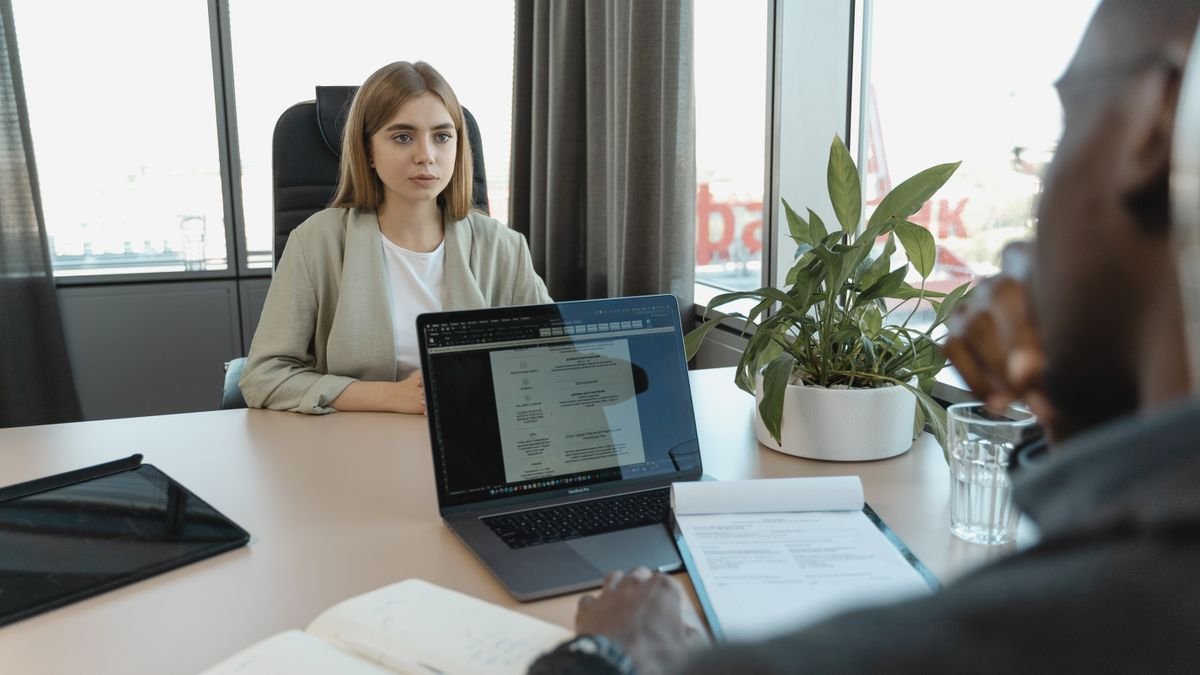
“Tell me about yourself” sounds casual, but in a job interview it usually has a purpose. The interviewer is giving you a chance to summarize who you are professionally, what has prepared you for the role, and why this opportunity makes sense. For a first-time candidate, the challenge is doing that without a long employment history.
You do not need to turn the answer into your autobiography. A focused response built around your current direction, relevant evidence, and next step is easier to remember and easier for the interviewer to use.
Quick Summary
- Keep the answer focused on the role rather than your entire personal history.
- Use a simple present → past evidence → future direction structure.
- Choose examples from education, projects, volunteering, clubs, or personal work if you lack job experience.
- Practice out loud so the answer sounds natural rather than memorized.
- End by connecting your background to the opportunity in front of you.
1. Understand What the Interviewer Is Really Asking
In most interviews, this question is not an invitation to list every fact about yourself. It is a broad opening that helps the interviewer understand your direction and decide what to ask next. CareerOneStop recommends preparing for common interview questions and practicing answers aloud before the interview. That preparation matters even more when you are nervous or interviewing for your first role.
Think of your answer as a short professional introduction. It should make the next part of the conversation easier.
2. Use the Present → Past → Future Framework
A simple framework keeps the answer organized:
- Present: What are you focused on now?
- Past: What experiences have helped you build relevant skills?
- Future: Why does this role make sense as your next step?
For example: “I recently completed coursework in business administration and have been especially interested in customer-facing work. Through a college event project, I coordinated schedules and answered participant questions, which helped me become more comfortable communicating under pressure. I am now looking for an entry-level support role where I can build those skills in a professional team.”
Key Takeaway
You are not trying to sound experienced. You are trying to sound relevant, clear, and ready to learn.

3. Choose Evidence That Matches the Role
Before the interview, identify two or three experiences that relate to the job. These do not have to be paid jobs. A class presentation may show communication. A coding or design project may show problem-solving. Volunteering may show reliability. Helping with a family business may show customer interaction or organization. Sports or clubs may show teamwork and responsibility.
The best example is not always the most impressive-sounding one. It is the one that helps the interviewer see how you could perform the work they need.
4. What to Say When You Have No Work Experience
If you have never had a formal job, do not spend half the answer explaining that. Start with what you are doing now and what you have learned through real activities. You can say you are beginning your career without treating that as an apology.
A useful pattern is: “I am early in my career, and most of my experience so far comes from…” Then name the relevant project, course, volunteer responsibility, certification, or practical work. Follow it with what you actually did and what skill it developed.
5. Avoid These Common Mistakes
Important
Do not memorize a polished answer that contains experiences or achievements you cannot explain. Interviewers often ask follow-up questions, so every example should be real.
- Starting too far back: childhood details usually do not help unless directly relevant.
- Repeating the resume line by line: summarize the story instead.
- Using empty adjectives: “hard-working” is weaker than a concrete example.
- Talking for too long: give the interviewer room to continue the conversation.
- Ending without direction: connect your background to why you are interviewing for this role.
6. Practice Without Sounding Robotic
Write bullet points rather than memorizing a script word for word. Then practice speaking the answer aloud several times. Change the wording naturally while keeping the same structure. This helps you remember the ideas even if nerves make you forget a sentence.
Five-Minute Practice Checklist
- Name your current study, training, or career focus.
- Choose one or two relevant examples.
- Explain the skill each example demonstrates.
- Connect the answer to the role you are interviewing for.
- Say it aloud and remove anything that feels unnecessary.

Optional watch: this Indeed India video demonstrates ways to structure a “Tell me about yourself” response. Adapt the approach to your own real background rather than copying the wording.
Frequently Asked Questions
How long should my answer be?
There is no universal stopwatch rule. Aim for a concise introduction that covers your current direction, relevant evidence, and interest in the role without taking over the interview.
Should I talk about hobbies?
Only when they add something relevant or useful to the conversation. A hobby that demonstrates a skill, commitment, or project may fit. Unrelated personal details usually do not need to be part of the opening answer.
What if I am still a student?
Start with what you are studying, the areas you are focusing on, and one or two projects or responsibilities that connect to the role. Being a student is context, not a weakness.
Can I say I have no experience?
You can acknowledge that you are early in your career, but move quickly to evidence of what you can already do and what you are prepared to learn.
Sources & Research
Your Answer Should Make the Rest of the Interview Easier
A strong “Tell me about yourself” answer is not about sounding impressive for its own sake. It gives the interviewer a clear map: what you are doing now, what evidence you bring, and why the role is a sensible next step. Keep it honest, relevant, and practiced enough that you can say it naturally.




2 thoughts on “How to Answer “Tell Me About Yourself” in Your First Job Interview”