
How to Practice Public Speaking for Interviews and Work
A practical beginner plan for improving public speaking through short repeated practice, clearer structure, recorded review, and realistic interview and workplace speaking situations.

How to Use AI Tools at Work Without Becoming Dependent on Them
A practical framework for using workplace AI tools to draft, summarize, brainstorm, and analyze while protecting sensitive information, checking outputs, and keeping your own judgment strong.

How to Improve Your Digital Literacy for Modern Jobs
A practical digital literacy plan for modern work, covering files, documents, spreadsheets, communication tools, online research, privacy, security, and learning unfamiliar software.

How to Take Better Notes During Training and Meetings
A practical note-taking system for meetings and workplace training that captures decisions, actions, questions, and processes without trying to write down every word.

How to Become Better at Teamwork Without Trying to Control Everything
A practical guide to becoming a better teammate by clarifying roles, communicating early, sharing ownership, handling disagreements, and focusing on the team’s result instead of controlling every detail.
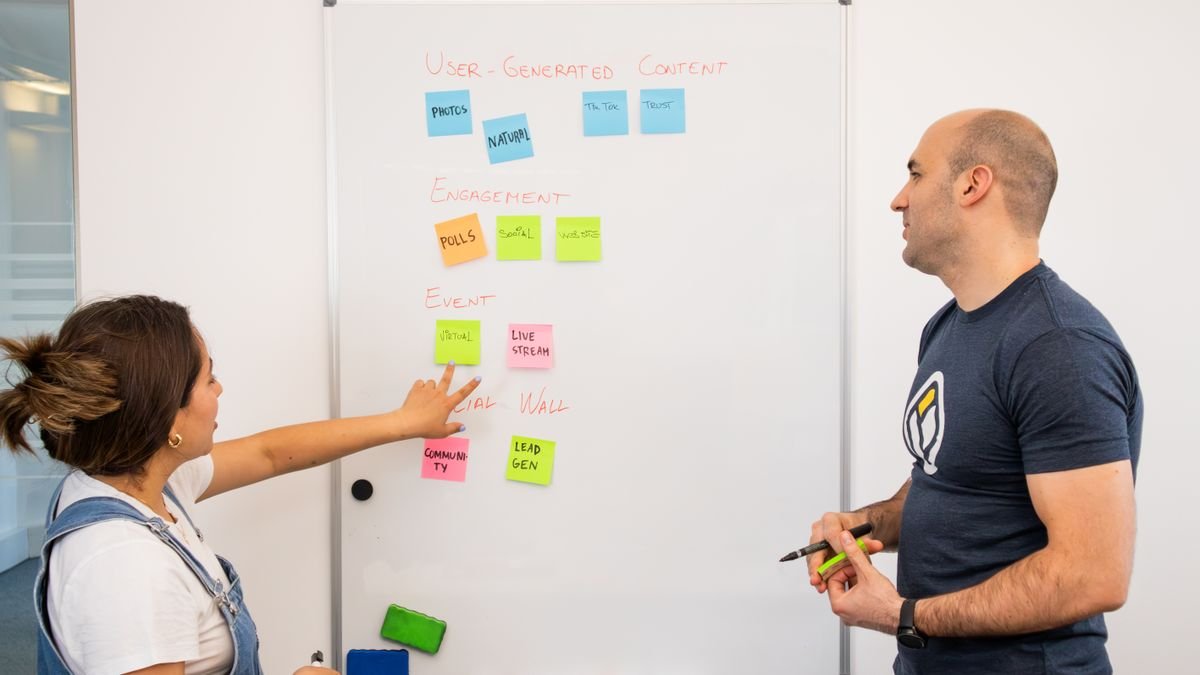
How to Improve Problem-Solving Skills at Work
A practical framework for becoming better at workplace problem-solving by defining the issue, gathering evidence, testing small solutions, and reviewing what worked.

How to Learn Excel for an Entry-Level Job
A practical beginner plan for learning Excel around real entry-level job tasks, from tables and formulas to cleaning data, lookups, and a small portfolio project.

How to Build Better Time Management Habits for Work
A practical beginner guide to managing work time with clear priorities, realistic planning, focused work blocks, and simple review habits.

How to Improve Workplace Communication as a Beginner
Build better workplace communication by listening for context, asking specific questions, giving useful updates, confirming expectations, and adapting to the team’s communication style.

How to Write Professional Emails at Work Without Sounding Stiff
Learn a simple professional email structure for clear subject lines, concise messages, respectful tone, action requests, attachments, and follow-ups at work.